The first heavy downpour of the season changes the road completely. Knowing how to drive in rain is the difference between reaching home dry and calm, or standing on a flooded street watching water climb up your door. This guide breaks down seven practical monsoon driving tips that protect both you and your car, based on the full video walkthrough from Throttle and Tech.
If you want the short version before you scroll, here are the seven moves that keep your car safe when the roads turn wet:
- Check traffic and your ETA before you leave
- Pick the right car for the conditions
- Slow down to hold your grip on wet roads
- Read a waterlogged road before you enter it
- Cross puddles in a low gear at a steady speed
- If your car stalls in water, do not restart it
- Keep your visibility clear
1. Check traffic and your ETA before you leave
The safest rain drive is sometimes the one you do not take. Before you head out, open a maps app and check the estimated time of arrival to your destination. If the trip is far longer than it normally takes and it is not urgent, postpone it. Rain plus stalled traffic is exactly when waterlogging builds up and cars start breaking down in the worst possible spots. A meeting can wait. A stuck car in rising water cannot.
2. Pick the right car for the conditions
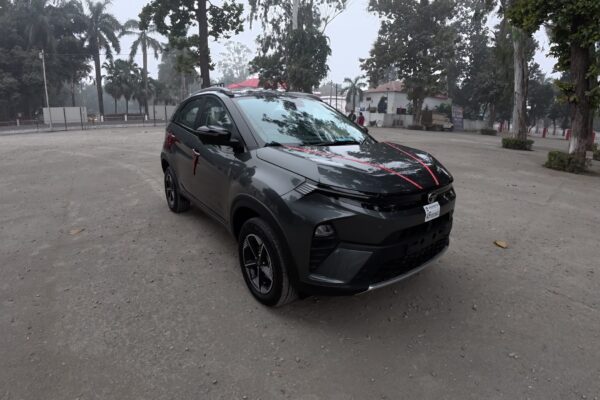
If you have more than one car at home, take the older one with decent ground clearance on heavy-rain days. Newer cars are packed with sensors and sensitive electronics that do not react well to water. Ground clearance matters most where roads flood, because a few extra centimetres decide whether water stays below your door sill or starts creeping into the cabin and the engine bay.
Buying a car with monsoon roads in mind? Ground clearance is one of the first things worth checking, along with how well the car is sealed. You can read our honest reviews of high-clearance options here.
3. Slow down to hold your grip on wet roads
Wet roads cut the grip between your tyres and the surface, which raises the risk of aquaplaning. That is when a thin layer of water lifts your tyres off the road, and for a moment you have no steering and no braking. The fix is simple. Slow down.
As a working rule from the video, keep it under 40 km/h in the city and under 80 km/h on the highway. Leave more distance than usual to the car ahead, because stopping takes longer on a wet surface. Smooth inputs matter too. Brake gently, steer gently, and avoid sudden moves that can break traction.
4. Read a waterlogged road before you enter it
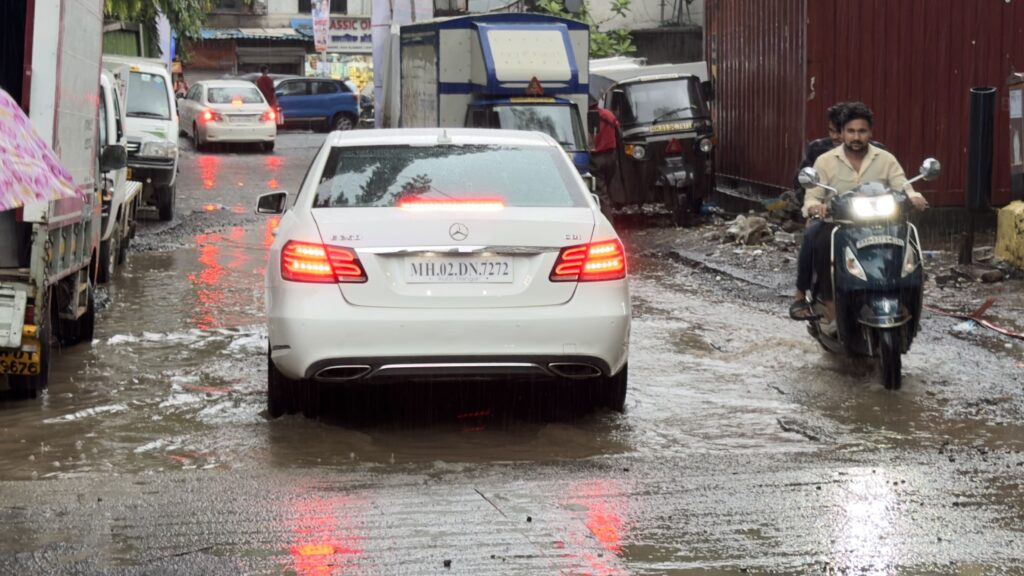
When you reach a stretch of standing water, stop and watch before you commit. Let a taller vehicle go first, a truck, a bus, or a taxi, and see how high the water reaches on it. That gives you a real read on the depth, far better than a guess from the driver seat.
If the water looks deep, or you cannot tell, turn around and find another way. No shortcut is worth a flooded engine. When in doubt, stay out.
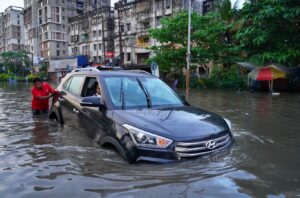
5. Cross puddles in a low gear at a steady speed
Once the path is clear and the depth looks safe, cross in first or second gear at a slow, constant speed, around 15 to 20 km/h. Holding steady revs does two useful things at once. It keeps engine momentum so you do not stall in the middle of the water, and it pushes a small wave ahead of the car that keeps water away from the air intake.
Do not stop halfway and do not lift off the throttle suddenly in the water. A steady crawl in a low gear is what keeps the bow wave in front of you and the water out of the engine.
6. If your car stalls in water, do not restart it
This is the one that separates a bad day from a wrecked engine. If the engine cuts out while you are in water, do not turn the key to restart or crank it.
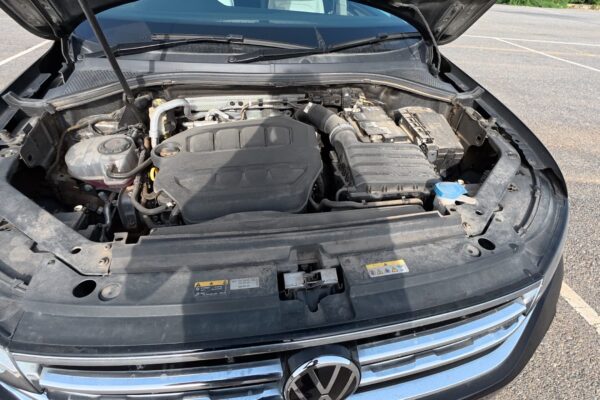
A running engine that pulls in water can hydrolock, and that can destroy the engine for good. Instead, switch off, get everyone out safely, help direct traffic around the car, and call roadside assistance to tow it to a service centre. A tow costs a fraction of a new engine.
7. Keep your visibility clear
Rain takes away visibility fast, for you and for the drivers around you. Turn on your headlights on low beam, not high beam, because high beam bounces off the rain and glares back at you. Set your wipers to a speed that keeps the glass clear without smearing.
The inside of the windshield fogs up in the rain because of the temperature difference. Switch on the demister and use the air conditioning to clear that fog quickly, so you are not wiping the glass with your hand while driving. If the rain gets so heavy that you cannot see the road, put on your hazard lights, pull over somewhere safe, and wait it out.
After you get home
Two quick habits after a wet drive. Press the brakes gently a few times as you set off next, since brakes can feel weak right after sitting in water. And if you drove through any deep water, get the underbody and the air filter checked before your next long trip. A small check now is cheaper than a surprise later.
Frequently asked questions
Is it safe to drive in heavy rain?
It can be, if you slow down, keep extra distance, and stay out of deep water. If visibility drops close to zero or roads are badly flooded, the safer choice is to pull over or postpone the trip.
What speed should I drive at in the rain?
As a rule of thumb, stay under 40 km/h in the city and under 80 km/h on highways, and go slower on flooded or unfamiliar roads. Lower speeds cut the risk of aquaplaning and give you more time to react.
How do I cross a waterlogged road safely?
Watch a taller vehicle cross first to judge the depth. If it looks safe, go slowly in first or second gear at a steady 15 to 20 km/h without stopping, so the engine keeps momentum and water stays out of the air intake.
What should I do if my car stalls in water?
Do not try to restart it. Switch off, get out safely, and call for a tow. Restarting a stalled engine that has taken in water can cause hydrolock and serious, expensive engine damage.
Which car is better for driving in the rain?
A car with higher ground clearance handles waterlogging better. If you have an older car with good clearance, prefer it over a newer, sensor-heavy one on heavy-rain days.
Drive smart when the roads are wet
Rain does not have to be stressful once you know what to watch for. Slow down, respect deep water, and never gamble your engine to save a few minutes. Watch the full video above for the complete walkthrough, and if you are choosing a car that can handle Indian roads and Indian weather, browse our honest reviews before you sign anything.