- Prioritise rear-seat comfort and space — the Sierra's cabin is among the widest in its class
- Carry family and luggage on long trips — the 622L boot and big-car feel deliver
- Want a loaded feature list for the money — triple screens, L2 ADAS, 360 cameras undercut pricier rivals
- Value a superb AC and soft, comfortable ride over sharp handling
- Love the Sierra name and the presence — and you're willing to inspect properly to get a good unit
- Want eager performance — the 1.5 Kryojet feels breathless hauling around 1,500 kg
- Enjoy driving hard — the soft suspension and tall body mean noticeable body roll
- Can't tolerate quality variation — panel gaps and electrical gremlins are a real risk on this car
- Want to skip the PDI — this is the one car where that's genuinely dangerous to your wallet
- Care about rear styling — the back is the Sierra's most divisive angle, so see it in person first
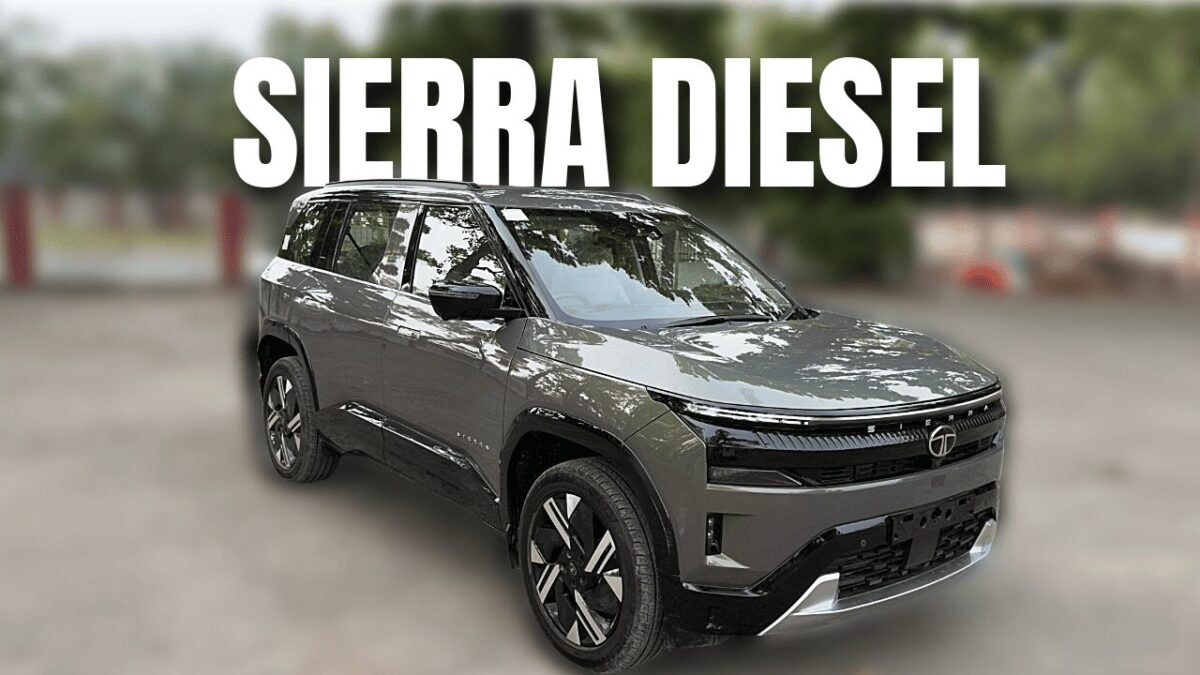
The Tata Sierra is one of the most anticipated cars in India, and it arrives carrying the weight of a legendary name. In Accomplished Plus diesel manual trim, north of ₹20 lakh ex-showroom, it’s also one of the most loaded cars Tata has ever built. Triple screens, Level 2 ADAS, 360-degree cameras, a panoramic sunroof, a 622-litre boot. On the spec sheet, it’s staggering value.
But a spec sheet is not a car, and this is where an honest review has to do its job. The Sierra is genuinely desirable — spacious, comfortable, and packed with kit that shames pricier rivals. It also has real, specific quality and reliability question marks that a buyer needs to go in knowing about. Both things are true at once, and the entire point of this review is to hold both of them in view.
Nowhere is that clearer than the one instruction every Sierra reviewer keeps repeating: get a rigorous pre-delivery inspection before you sign. On this car specifically, that’s not boilerplate advice. The Tata PDI Master Blueprint is the inspection guide we’d want before any Tata delivery, and by the end of this review you’ll understand exactly why the Sierra needs it more than most.
The space and comfort — where the Sierra genuinely wins
Start with what the Sierra gets unambiguously right, because it’s a lot. The cabin is exceptionally wide — one of the most spacious in its class — and it translates into real, usable comfort. Rear legroom is generous. The seats are genuinely comfortable, well-shaped for long drives rather than just soft for the showroom. Thoughtful touches like rear window sunshades and coat hangers show a cabin designed by people who thought about how families actually use a car.
The air conditioning deserves a specific callout: it’s fantastic. In Indian conditions, a powerful, fast-cooling AC is not a luxury, it’s a daily-quality-of-life feature, and the Sierra’s is among the best you’ll find at the price.
Then there’s the boot — a massive 622 litres. This is a properly practical big-car boot that makes the Sierra a genuine long-trip, whole-family, load-everything vehicle. For buyers who prioritise space and comfort above all, the Sierra makes an immediate, tangible case.
The technology — triple screens and real ADAS
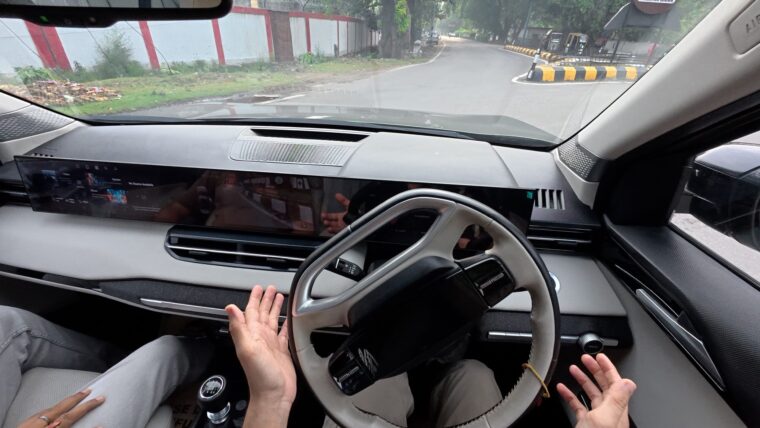
The Sierra’s triple-screen dashboard is the visual headline, and unlike some rivals where the screens are laggy afterthoughts, this setup is slick and responsive to operate. It genuinely feels like the modern, premium cabin the price promises.
The feature list backs it up: Level 2 ADAS, 360-degree cameras with blind-spot monitoring, and the kind of equipment count that, on paper, undercuts cars costing several lakh more. For a buyer doing a features-per-rupee calculation, the Sierra is hard to beat.
But — and this is the recurring theme — a feature is only worth what it’s worth when it works. Which brings us to the part of this review that matters most.
The quality question — what actually happened in our review car
Here’s the specific, verifiable thing that happened during this review, and it tells you more than any general warning could: the panoramic sunroof would not open using its button. It opened using the voice command.
Sit with that for a second. The hardware worked — the roof moved when commanded by voice. The electrical path from the physical switch did not. That’s not a catastrophic failure; it’s worse in a way, because it’s exactly the kind of intermittent electrical gremlin that’s easy to miss on a quick test drive, easy for a dealer to wave off as “just needs a reset,” and genuinely frustrating to live with and diagnose later.
It’s also not an isolated concern. Inconsistent panel gaps are visible on the car — the kind of variation in the spacing between panels that signals assembly-line inconsistency. There are patches of rough plastic inside a cabin that’s otherwise trying hard to feel premium. None of these are dealbreakers on their own. Collectively, they’re a clear signal: this is a car where individual units vary, and where the specific example you’re handed matters enormously.
This is the entire argument for a pre-delivery inspection, made by the car itself. When a review car — a unit the manufacturer knows is going to be scrutinised — shows a sunroof that won’t open on the button and panel gaps you can see, the unit sitting in the dealer stockyard with your name on it deserves serious inspection before you pay. Every electrical feature needs to be tested: the sunroof on the button and voice, every camera, the ADAS suite, every window, every screen function. Every panel gap needs to be checked. The full sequence, with photo references for what each fault looks like and scripts for when the dealer tries to reassure you it’s nothing, is in the Tata PDI Master Blueprint. 70+ checkpoints, ₹1,499 once, no dealership sponsorship, no upsells. On a ₹20 lakh-plus car with this many electrical systems, skipping it is the expensive choice.
The diesel engine — torquey, but breathless
The Sierra diesel runs Tata’s 1.5-litre Kryojet — 115 PS and 260 Nm. In isolation, those torque figures suggest easy, relaxed progress, and around town that’s exactly what you get. There’s enough low-end pull for comfortable city driving, and the engine is tractable and undemanding in traffic.
The honest problem is what happens when you ask for more. The Sierra carries significant weight — around 1,500 kg — and it shows. This is the same engine family that does duty in the Tata Nexon, but in the heavier, larger Sierra it feels distinctly less eager. Push it and it runs out of breath; the performance is adequate rather than effortless, and overtakes need planning rather than a confident stab of the throttle. If you’re cross-shopping from something turbo-petrol or from a more powerful diesel, the Sierra will feel underpowered, and no amount of torque-figure marketing changes that seat-of-the-pants reality.
For the first 1,500 km, treat this diesel gently — a proper running-in matters on a new engine that’s already working hard to haul this much car, which is what the Engine Break-In Blueprint at ₹999 is built around.
Ride, handling and the honest compromises
The suspension is tuned soft and compliant, and for the Sierra’s intended buyer that’s the right call. It soaks up road imperfections and broken surfaces well, prioritising comfort over sharpness — entirely in keeping with a car built around space and long-distance ease.
The trade-off is body roll. The Sierra is tall, and that height plus the soft suspension means noticeable lean when you corner with any enthusiasm. This is not a car you hustle down a twisty road; it’s a car you waft down a highway. Match your expectations to that and you’ll be happy. Expect anything sporty and you won’t.
One more honest note on looks, since buyers care: the front and profile carry the Sierra’s presence well, but the rear styling is more divisive and, to our eye, the weakest angle of the design. Walk around the actual car before you commit — the rear is the view you’ll see in your own driveway.
Who the Tata Sierra is actually for
The Sierra makes the most sense for a specific buyer: someone who prioritises rear-seat comfort, cabin space, and a genuine big-car feel above outright performance or handling sharpness. If your car spends its life carrying family in comfort over long distances, and you value a loaded feature list and a cavernous boot, the Sierra delivers all of that at a price that genuinely undercuts more established rivals.
What you must go in clear-eyed about is the quality lottery. This is a car where units vary, where electrical gremlins are a real possibility, and where the specific example you take delivery of matters more than the badge on the boot. The Sierra rewards the buyer who loves it enough to inspect it properly — and punishes the one who’s so charmed they skip the checks.
The closing call
The Tata Sierra is a genuinely appealing car wearing one of the most emotionally loaded names in the Indian market, and for the space-and-comfort buyer it’s an easy car to recommend on paper. It’s roomy, it’s comfortable, the AC is superb, the boot is enormous, and the feature list is extraordinary for the money.
But this is the rare car where the review and the warning are the same sentence. The sunroof that opened on voice but not on the button isn’t a footnote — it’s the whole story in miniature. Buy the Sierra with your heart if you love it. Just inspect it with cold, thorough discipline before you pay, because on this car more than almost any other, the difference between a great ownership experience and a frustrating one is what you catch at PDI. The dealer won’t do it for you. The PDI comes first.