- You're a driver-first buyer. You care about how the car feels on the road more than how the rear seat looks.
- You deal with broken roads daily. The ride quality on this thing is genuinely exceptional — it irons out potholes like they're not there.
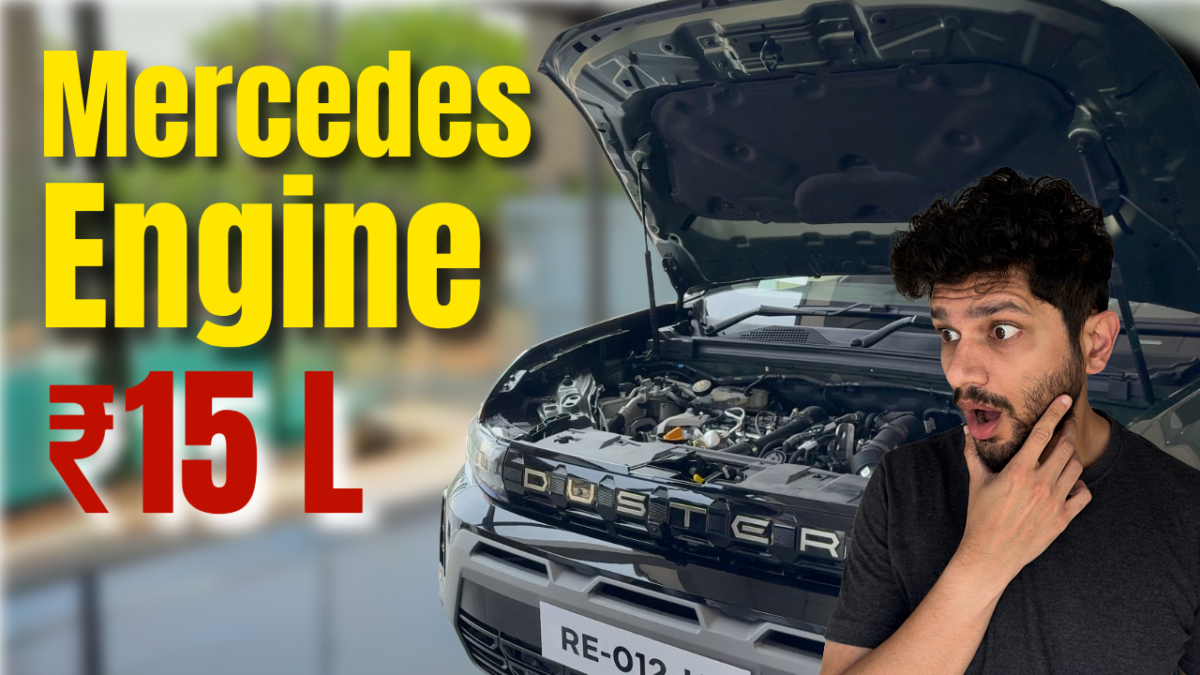
- You want a powerful turbo-petrol with a proper manual gearbox. 160hp and 280Nm from a Mercedes co-developed engine, paired with a 6-speed manual that slots cleanly. This combination doesn't exist anywhere else in this segment.
- You primarily drive with the front seats occupied and the rear seats are occasional-use.
- Your family rides in the back regularly. The rear legroom is tight and under-thigh support is poor. If your parents or in-laws are frequent passengers, they won't be comfortable on long drives.
- You're stuck in city traffic most of the time. Owners are reporting that low-end torque feels lazy in daily stop-and-go driving. The engine comes alive above 2,000 RPM, but that's not where you'll be most of the time in Bangalore or Delhi traffic.
- You drive in areas where tyre shops are limited. There's no spare tyre, and the specific tyre profile is already proving hard to source locally. If you live or travel outside major metros, this is a real risk.
- You want razor-sharp handling. The Duster is tuned for comfort, not corner-carving. If you want something that feels planted and sporty through turns, the Volkswagen Taigun/Skoda Kushaq 1.5 TSI twins are sharper.
- Interior premium-ness matters to you as much as driving dynamics. The Duster cuts corners inside to keep the price where it is.
The Drive — What Actually Matters
The Engine Is the Star
The TCe 160 turbo-petrol unit is co-developed with Mercedes, and you feel it. 160 horses and 280Nm of torque give you the kind of confident power delivery that makes overtaking on highways effortless. There’s no turbo lag drama — the power builds smoothly and predictably.
The 6-speed manual deserves its own mention. The throws are precise, the clutch is light, and the overall gearbox feel is a level above what you’d expect at this price. If you’ve been disappointed by rubbery, vague gearboxes in other cars in this range, this will make you smile.
Ride Quality — Best in Segment, No Contest
This is where the Duster genuinely separates itself from everything else under ₹20 lakh. The suspension is tuned specifically for the kind of roads we actually have in India — broken patches, speed bumps that appear out of nowhere, potholes that would unsettle most cars in this segment.
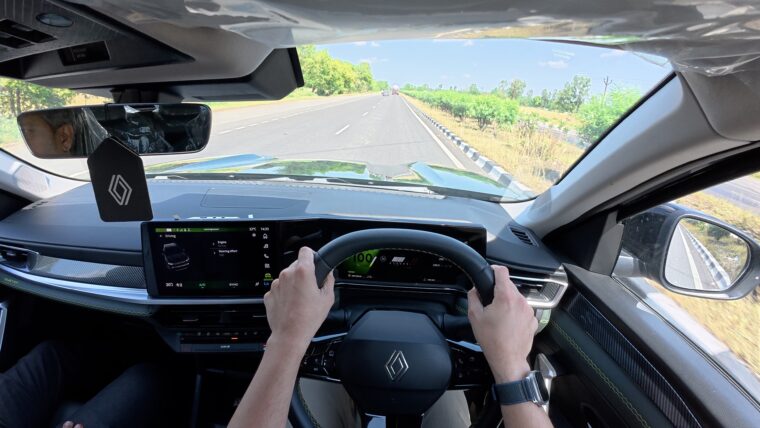
The Duster just glides over them. It’s not floaty or disconnected — you know what the road surface is — but it never crashes or thuds. If your daily commute includes bad roads (and whose doesn’t), this suspension setup alone could be the reason to buy this car.
Rear Seat — The Honest Problem
Here’s what no dealership showroom walkaround will make obvious: the rear seat is a weakness. The legroom is noticeably less generous than competitors like the Creta or Seltos. But more importantly, the under-thigh support is short — your thighs don’t rest fully on the seat base, which gets uncomfortable on drives longer than an hour.
For a couple or for someone who mostly drives solo, this doesn’t matter. For a family of four where the rear seat is occupied daily, this is a genuine compromise you need to sit in and evaluate for yourself before booking.
The Bottom Line
The Renault Duster TCe 160 Manual is a car that does one thing brilliantly — it drives better than anything else at this price. The engine, gearbox, and ride quality combination is unmatched under ₹20 lakh.
But it asks you to accept real trade-offs: a rear seat that won’t keep your family happy, interior quality that doesn’t match the Korean competition’s polish, and some ergonomic choices that prioritize style over practicality.
If you test drive this car and your first thought is “this is how a car should feel” — buy it. That feeling doesn’t go away at 10,000 km or 50,000 km. But if your first thought is about the rear seat or the interior plastics, walk away. Those things won’t stop bothering you either.